Listen to this article
Estimated 3 minutes
The audio version of this article is generated by AI-based technology. Mispronunciations can occur. We are working with our partners to continually review and improve the results.
The federal government has approved expansion of the Tilbury LNG facility in Delta, B.C., saying potential adverse effects are justified by the project’s benefits.
Monday’s approval under the “one project, one review” principle came immediately after the B.C. government issued an environmental assessment certificate to FortisBC for the project on Tilbury Island in the Fraser River.
The province says the project could generate 6,200 full-time-equivalent years of employment during construction and 100 permanent jobs, and contribute up to $1.7 billion to provincial GDP during construction.
Federal Environment Minister Julie Dabrusin says in a statement the project shows how to “create jobs and grow the economy while protecting the environment and advancing reconciliation.”
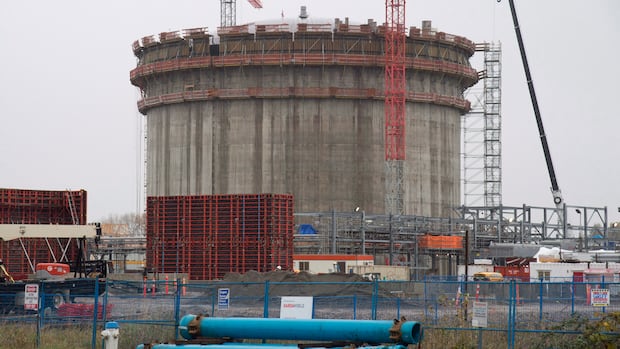
The project involves adding a large new storage tank and equipment to produce up to 7,700 tonnes of liquefied natural gas per day.

But it has faced opposition from within the B.C. government, with Kelly Greene, minister of emergency management and climate readiness, saying in July she was “disappointed” by FortisBC’s decision to move forward with the project, citing safety concerns.
“For months, I have listened to safety concerns from people in my community. I raised those issues with government at every opportunity. I am disappointed with FortisBC’s decision, as I know many of those I represent will be,” she said at the time.
Greene said her opposition had remained unchanged since before she was elected to the legislature, while B.C. NDP Premier David Eby said his government has a “big tent,” which allowed Greene to criticize the plan.

Federal Energy Minister Tim Hodgson called the approval “a step forward in our mission to get major nation-building projects built faster.”
“Today’s approval of the Tilbury Phase 2 LNG expansion project will power [B.C.] Ferries with cleaner fuel, strengthen Canada’s energy security and create economic opportunities for British Columbians,” he said on social media on Monday.
The B.C. government had touted the expansion as helping meet rising demand for LNG at the Port of Vancouver and improving access to fuel for vessels that travel the coast and across the Pacific.
The province said in a statement on Monday that the environmental assessment certificate included “18 legally binding conditions related to air quality, wildlife protection, greenhouse-gas reduction, health and emergency planning, and ongoing monitoring of impacts to First Nations.”
It said the Environmental Assessment Office sought consensus with 12 Indigenous nations, while 13 other Indigenous groups were informed of key milestones.
The assessment process was initiated in February 2020, but the province said it was delayed by the COVID-19 pandemic, and FortisBC submitted a revised application in February 2026.
About the Author