


Published on
January 30, 2026
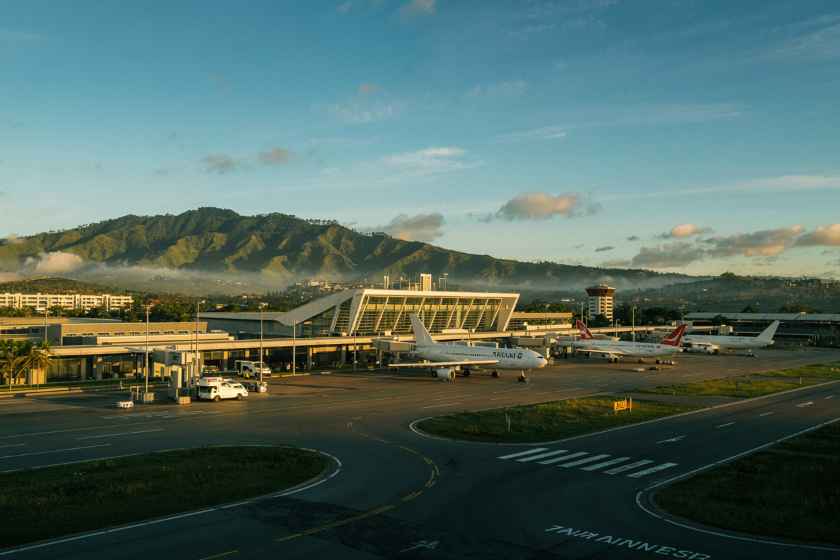
Bali’s I Gusti Ngurah Rai International Airport has confirmed a major change in its flight operations as Emirates announces the cancellation of its daily service from Dubai to Denpasar aboard the iconic Airbus A380. This move is set against the backdrop of Bali’s ambitious plans to boost its tourism sector, with a target to welcome up to 55 million visitors annually. Despite the downgrade of Emirates’ service, there is growing optimism for the island’s tourism as new routes and lower-cost options come into play.
The Emirates Dubai-Denpasar route, which has been a prominent feature in Bali’s aviation landscape, has long been a crowd favourite, particularly with aviation enthusiasts. The Airbus A380, the world’s largest commercial aircraft, has provided a spectacular sight at Bali’s airport, where visitors often gather to watch its landings and take-offs. The change in service, from the double-decker Airbus A380 to a Boeing 777, comes in response to seasonal demand fluctuations and a drop in traffic on the route.
Bali’s Growing Tourism Ambitions
Bali has long been a top destination for travelers worldwide, with its beautiful beaches, rich culture, and welcoming atmosphere. The Ministry of Transportation’s Director General of Air Transportation, Lukman F Laisa, recently unveiled plans to boost the airport’s capacity to accommodate up to 55 million tourists annually. This ambitious goal reflects Bali’s desire to solidify its position as one of the leading tourism hubs in Southeast Asia.
Despite the adjustment in Emirates’ flight capacity, Bali’s tourism remains on a strong trajectory. The recent announcement of a new low-cost airline route between Melbourne and Bali by Indonesia AirAsia, starting on 10th March 2026, signals a positive outlook. With fares beginning at AUD 199, the new route is expected to generate a steady stream of Australian tourists, who are among the most frequent international visitors to Bali.
Advertisement
Advertisement
Emirates’ Airbus A380 Departure: What It Means for Bali Tourism
The Emirates Dubai-Denpasar service, which has been operating with the Airbus A380, represented a significant milestone for the island’s aviation connections. The A380’s impressive size and capacity made it a draw for both travelers and aviation enthusiasts alike. However, with the seasonal fluctuations in demand, Emirates’ decision to replace the A380 with a smaller Boeing 777 may lead to reduced capacity on the route.
This shift is aligned with global aviation trends, where airlines often adjust their fleet and services based on demand cycles. Although the aircraft downgrade may initially signal a reduction in capacity, it is important to recognize that the Boeing 777 still offers ample capacity for long-haul flights, ensuring that Bali remains well-connected to Dubai and other global destinations.
Advertisement
Advertisement
The Launch of New Routes and Low-Cost Options
Bali’s future in tourism continues to shine brightly with the introduction of Indonesia AirAsia’s new direct service from Melbourne to Bali. Starting on March 10th, 2026, the low-cost airline’s service will cater to the growing demand for affordable travel options. With tickets priced as low as AUD 199, the route promises to be a popular choice for both Australians seeking an affordable getaway and tourists from other regions.
Australia has long been one of the key markets for Bali tourism, with Australian travelers making up a significant portion of international arrivals. The new Melbourne-Bali route is expected to meet this demand, providing both budget-conscious tourists and frequent flyers with more travel options.
Moreover, Bali continues to be a strong player in Southeast Asia’s tourism market, offering a range of experiences for visitors, from its stunning beaches to its vibrant cultural offerings. The Bali tourism industry remains resilient, and with new flight services and routes continuing to emerge, Bali’s position as a top-tier destination is only set to grow.
Bali’s Key Attractions for Tourists
As Bali continues to evolve as a tourism destination, visitors have no shortage of activities to explore. From the tranquil waters of Uluwatu and Seminyak to the iconic Sacred Monkey Forest Sanctuary in Ubud, there’s something for every traveler. Bali is also home to world-renowned temples like the Uluwatu Temple and the Tanah Lot Temple, offering travelers a glimpse into the island’s rich cultural heritage.
Tourists visiting Bali also have the opportunity to indulge in its diverse culinary scene, which combines local Balinese flavors with international influences. The island’s many beachfront resorts offer luxurious accommodations, while budget options are plentiful for those looking to explore Bali on a more affordable basis.
For adventure seekers, Bali offers a wealth of activities such as surfing, hiking, and scuba diving. Visitors can also take part in yoga retreats and wellness experiences, making Bali a popular choice for health and wellness tourism.
Looking Ahead: The Future of Bali Tourism
Despite the recent changes in flight services, Bali’s tourism industry remains optimistic. The goal of attracting 55 million visitors per year reflects the island’s commitment to growth and enhancing its appeal to a global audience. With new flight routes like the Melbourne-Bali direct service and the continued support of major airlines, including Emirates, Bali is positioned to remain a leading tourism destination for years to come.
Bali’s ability to adapt to shifting market conditions while maintaining its unique charm ensures its future as a key player in Southeast Asia’s tourism industry. Whether you’re visiting for the vibrant culture, stunning landscapes, or world-class resorts, Bali remains a destination not to be missed.
Conclusion
The adjustment in Emirates flight services at I Gusti Ngurah Rai International Airport is just one part of Bali’s evolving tourism landscape. With the introduction of new low-cost options and a growing focus on attracting millions of tourists, Bali’s tourism sector is set to continue flourishing. For those planning a visit, now is the perfect time to experience the magic of Bali, a destination that combines beauty, culture, and modern tourism infrastructure.

