As three by-elections approached this week – one in Makerfield in Greater Manchester, and two in Scotland – Tory leader Kemi Badenoch’s top team faced a problem: how should they translate the growing popularity of their leader into electoral success?
She desperately needed a victory to show that it is her party, and not the insurgent Reform UK, that is the real alternative to Labour.
With that in mind, her team focused on one of the seats – they deliberately did nothing in Makerfield, and instead decided to put all their resources into Aberdeen South, vacated by SNP Westminster leader Stephen Flynn after he returned to Holyrood.
The plan was to win by stealth in the race few were talking about.
Mark McInnes, the Tory chief executive, made clear to MPs and senior party members that it was essential that Aberdeen South “remains the forgotten by-election”.
The stakes were high. After a make-or-break speech at the Tory conference in October, Badenoch had gone from the party leader “most likely to be replaced” to having the best personal rating of any current political leader in the UK.
Her only serious rival to be leader of the Conservatives, Robert Jenrick, helped her by defecting to Reform, and the collapse of Keir Starmer’s government made her look like a colossus in parliament with a series of powerful interventions.
But the Conservative Party has remained stubbornly low in the polls, at around 19 per cent on average – a full five points below where they were when Badenoch became leader.
The busted status of the Tory brand was further highlighted in the local elections in May, when they lost 563 council seats – almost half of those they were defending.
Meanwhile, Nigel Farage’s Reform UK continued to have a strong lead in the national polls, still drawing Tory support, and came second in Wales and Scotland while winning 1,454 council seats.

Even if the problem was the Tory brand and not Badenoch, there was only so much time before patience ran out and discussions began about finding a new leader.
But the task at hand seemed impossible. The last time the Conservatives had won a Westminster by-election in Scotland was in 1967, when they took Glasgow Pollok off Labour in a shock victory. As one insider noted, that was only a year after England won the World Cup, and “the years of hurt are just as long”.
But McInnes and Badenoch were determined to ensure that Aberdeen South was “coming home”.
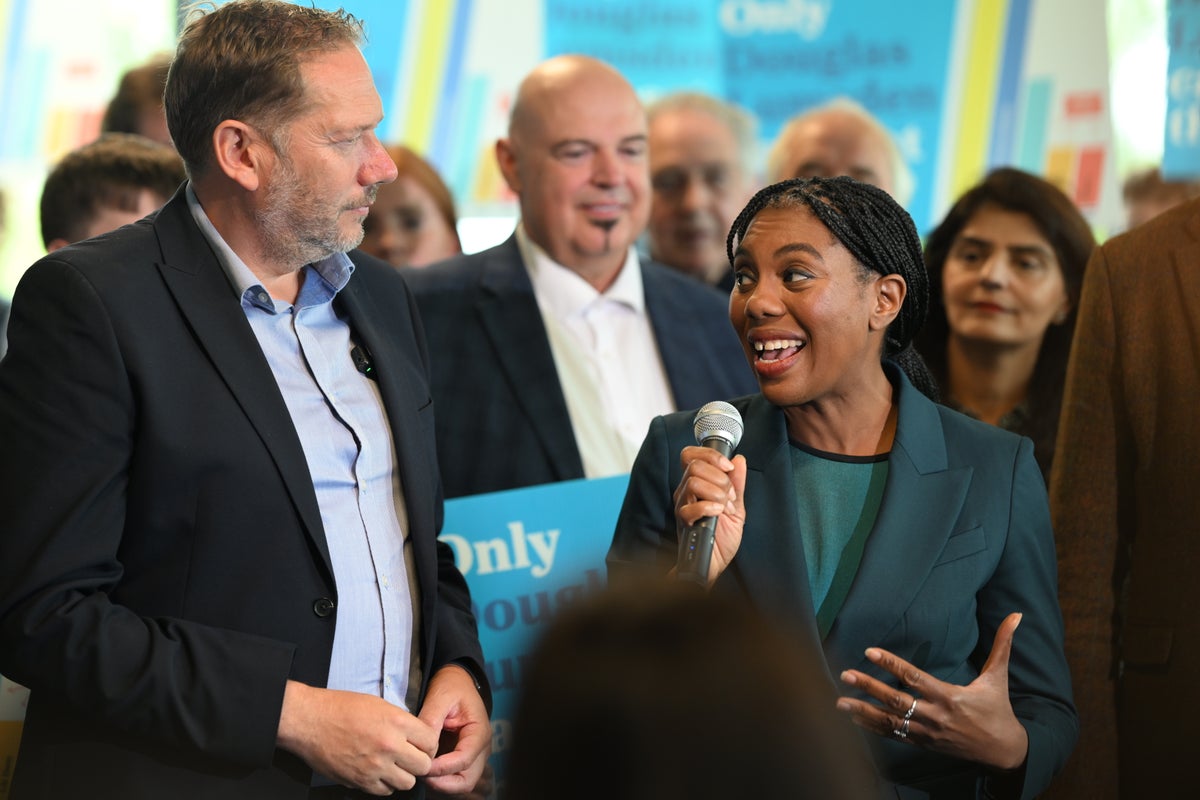
They selected a solid candidate, Douglas Lumsden – a member of the Scottish parliament for the North East of Scotland, with no dodgy social-media history; a good party stalwart who knew the seat inside out.
What then transpired has been described by another Tory insider as “a heist” against the SNP, who have run Scotland for 19 years and were defending the seat.
There was some hope there – the Tories had won the seat with Ross Thomson in 2017, although he was now a Reform defector. But the SNP were strong favourites.
The Tories wanted them to remain that way, and to focus as much on the other by-election in Scotland – Arbroath and Broughty Ferry.
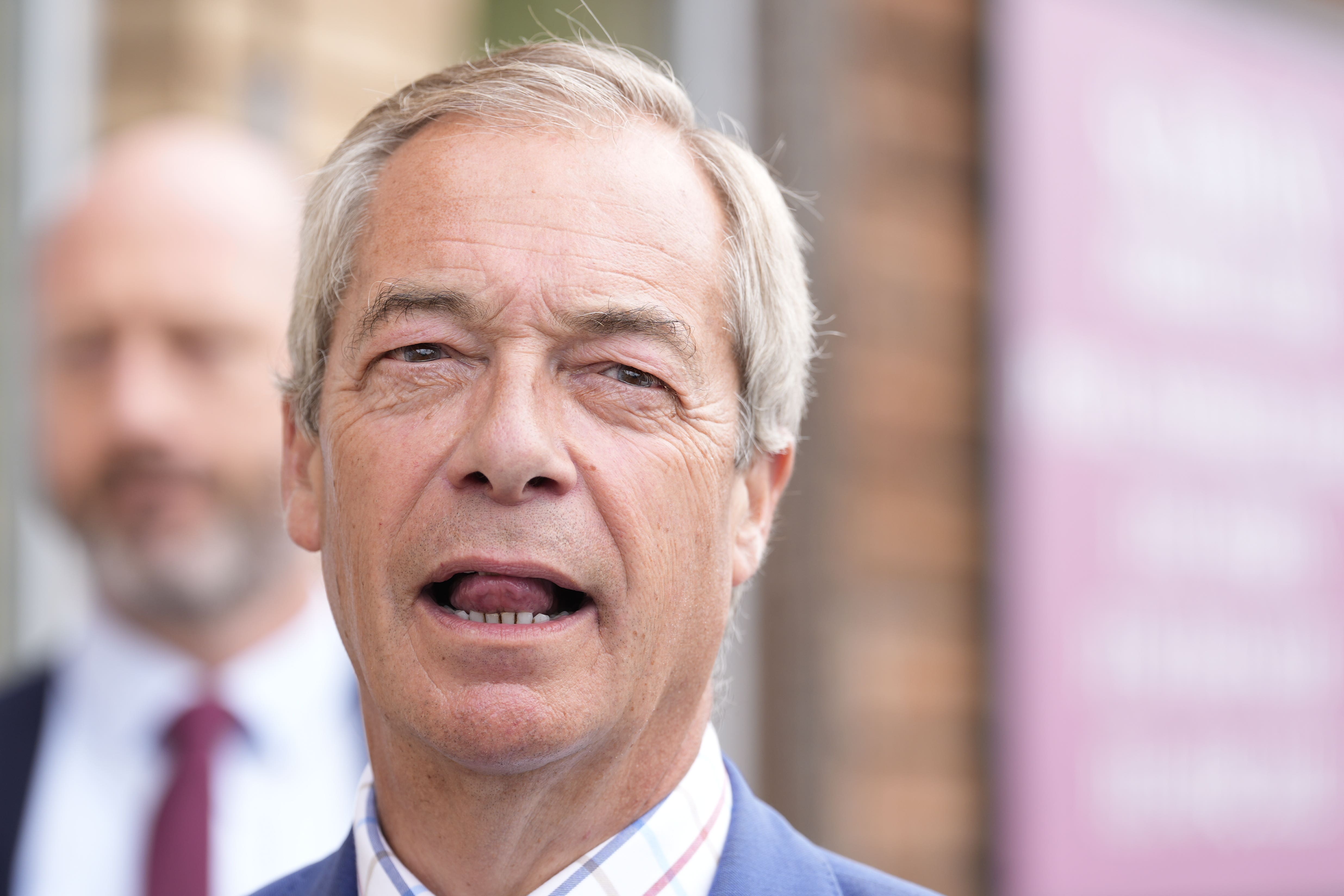
While the eyes of the national media were on Andy Burnham versus Reform in Makerfield, McInnes gave out strict instructions to say that Aberdeen was “probably” going to be an SNP victory.
The Tory camp then quietly set out to make it a referendum on net zero and Ed Miliband, and on the SNP’s policies against oil and gas drilling in the North Sea. Badenoch was there three times without much fuss, and deployed her shadow energy secretary Claire Coutinho for the final PMQs against David Lammy, to drive home the message.
When suspicions started leaking out in the days before that they could win, several calls were made to check the story.
The Independent, like others, was told by Tory sources: “It is very unlikely. If all the unionist votes go our way, we might squeeze it. But we are not really expecting it to be that close.”
Meanwhile, an SNP source appeared to confirm that they too believed there was no real threat: “The Tories think they have a chance, but we should win this one easily.”
But there was an added factor.
The scandal involving former SNP chief executive Peter Murrell hung over the whole contest, with ongoing questions about his estranged wife, former SNP leader Nicola Sturgeon.
As the count began at the Aberdeen Exhibition and Conference Centre, it quickly became clear that this really was a heist, as the Tory votes began to pile up.
In the end, on a turnout of 38 per cent, the Tories did not just win, but crushed their opponents, with a majority of 6,050 and 49.5 per cent of the vote. The SNP came second, with 26.8 per cent, a swing of 25 per cent to the Conservatives.
Even more important was that Reform only got 8.6 per cent of the vote in a part of Scotland where many projections had them replacing the Tories.
Badenoch was there early in the morning to lead the celebrations and take it as a personal victory.
One source close to her told The Independent: “This could be a turning point for us. It is an extraordinary victory, and Kemi has something to pin our comeback on.”
It was also noted that while Makerfield proves that people are seeking to vote tactically to stop Reform from winning, voters are also willing to vote tactically for the Tories.
Another source said: “Kemi needed to take ownership of this. She was there three times, this was very much her victory. People can see now that it is not just good performances at PMQs, but a tangible win.”
While Farage was licking his wounds from Makerfield, he tried to dismiss the Conservative victory as proving only that “they can win in pockets around the UK”.
But it was hard to not conclude that while Badenoch walked away from the most significant week of by-elections in decades with a morale-boosting win, he ended up empty-handed.
About the Author