Published on
January 6, 2026
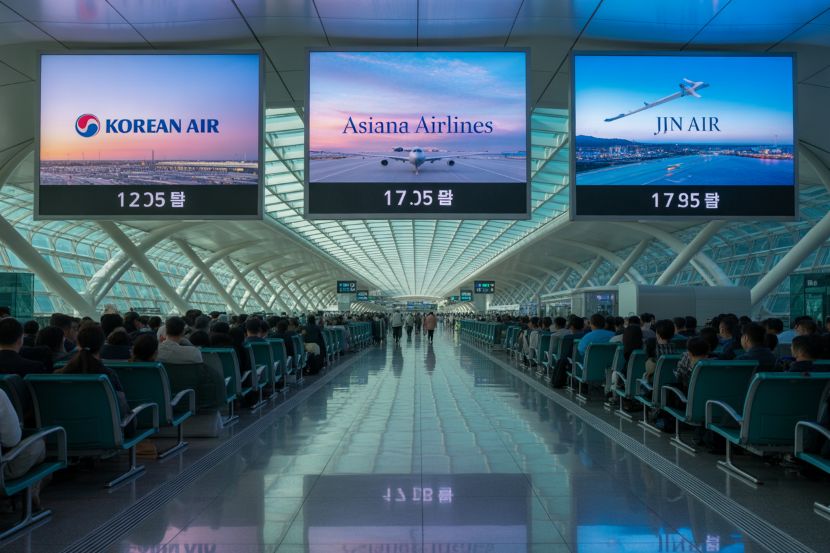
In a transformative move that promises to reshape the South Korean aviation and tourism industries, Korean Air will absorb Asiana Airlines and integrate Jin Air along with its low-cost subsidiaries, Air Busan and Air Seoul. This monumental merger, set to unfold in 2026, is poised to redefine the country’s airline landscape, increasing global connectivity while offering travelers expanded options. Hanjin Group, the conglomerate behind Korean Air, sees this consolidation as a vital response to the shifting dynamics of global business and the airline industry’s future, particularly amid rising geopolitical tensions and fluctuating demand. This strategic merger is expected to streamline operations, reduce competition, and create a more robust, efficient airline network to support tourism in South Korea and beyond.
South Korea’s Aviation Powerhouse in the Making
Hanjin Group’s long-anticipated decision to merge its key airline subsidiaries has marked a significant shift in South Korea’s aviation landscape. The integration will see Korean Air, South Korea’s flagship carrier, absorb Asiana Airlines while its budget arm will consolidate Jin Air with Air Busan and Air Seoul under a single umbrella. The resulting entity will form one of Asia’s largest and most comprehensive air travel networks, significantly boosting the country’s tourism appeal.
While the merger is primarily a business strategy, the implications for travelers are immense. With one streamlined system for domestic and international travel, passengers can expect greater flight availability, improved service efficiency, and possibly more competitive pricing as the two carriers work in unison. This move is not just about reducing overheads but also about expanding South Korea’s already substantial international presence in the skies.
Impact on South Korea’s Global Tourism: A Boon for Travelers
With the strategic merger of Korean Air and Asiana Airlines, South Korea is looking to bolster its position as a global travel hub. For tourists, the merger will simplify flight options between major international airports, including Seoul’s Incheon International and Busan’s Gimhae Airport, further improving accessibility to the country’s diverse regions and vibrant tourist destinations. From the bustling streets of Seoul to the serene beaches of Jeju Island, tourists will benefit from expanded routes and more convenient connections.
Additionally, the integrated airline network will help South Korea’s tourism industry recover and thrive post-pandemic by tapping into growing demand for travel to East Asia. The country’s rich cultural history, vibrant cities, and unique attractions are becoming increasingly accessible to international travelers with each passing year.
Operational Efficiency and Connectivity to Global Markets
The merger will result in an expanded fleet, with the combined airline group operating over 240 aircraft. This scale is essential for competing on the global stage, especially with rival carriers such as Japan’s ANA and China’s China Eastern Airlines. With more aircraft in the air, Korean Air aims to enhance its position as a global logistics giant, seamlessly connecting South Korea to key international markets, particularly in North America, Europe, and Asia.
Moreover, the consolidation of operations will allow Hanjin Group to optimize its resources, offering enhanced coordination between air travel and logistics operations. By integrating its cargo services with passenger flights, South Korea’s air transport network can offer more streamlined solutions for global e-commerce companies, which is likely to further boost tourism-related logistics for goods and services entering the country.
Safety and Sustainability: A Top Priority
As part of the airline merger, safety remains the highest priority for the group. The company is committed to ensuring the safety of its passengers by maintaining top-tier safety protocols, including aviation and data security. For travelers, this reassures that the flight experience will not only be efficient but also secure. Additionally, the commitment to sustainability will likely see the new unified airline group take steps to reduce its environmental footprint, a growing concern among modern travelers.
How the Merger Will Benefit International Travelers
With the merger set to occur in 2026, travelers can look forward to a number of benefits:
- Expanded Routes and Connectivity: More international flights from major hubs like Seoul Incheon, offering better access to global destinations.
- Increased Competition: By consolidating operations, Korean Air and Asiana Airlines aim to compete more effectively with other global carriers.
- Streamlined Travel Experience: A single integrated system for booking, customer service, and loyalty programs.
- Potential for More Competitive Pricing: Larger scale might allow the airlines to offer more attractive fares, especially on popular international routes.
- Improved Infrastructure: With a bigger fleet and better logistics, tourists can expect quicker and more reliable connections.
For those looking to explore South Korea’s diverse offerings—from its vibrant urban culture in Seoul to the serene landscapes of Jeju Island—this merger promises easier access to these destinations, making it a great time for tourists to explore this dynamic country.
Looking Ahead: The Future of South Korea’s Airline Industry
The merger of Korean Air and Asiana Airlines is not just a business move but a vision for the future of South Korea’s aviation industry. With global tensions rising and economic uncertainty looming, Hanjin Group’s decision reflects the need for greater operational flexibility and efficiency. By merging its airline and logistics operations, Korean Air aims to create a world-class travel and logistics network that positions South Korea as a leader in the global aviation market.
Traveler Tip: As more routes become available, tourists should watch out for special offers and loyalty rewards that might arise from this merger. Staying updated on flight announcements and travel promotions will help you take full advantage of the expanding network.

About the Author