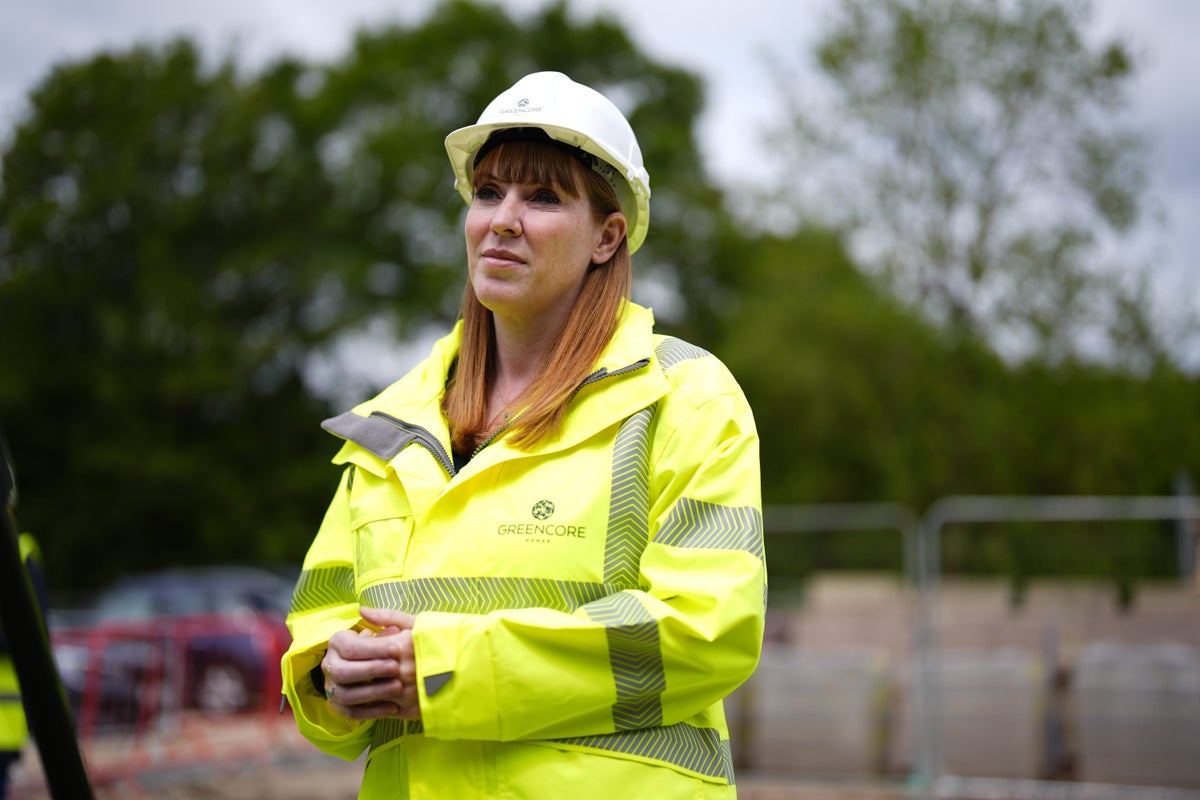
Angela Rayner has indicated she does not expect Labour to meet its major manifesto pledge to build 1.5 million homes before the next election.
Andy Burnham’s newly appointed housing minister denied she was abandoning the commitment, but compared achieving it to her chances of “running the London Marathon”.
The promise to construct 1.5 million homes over the five-year parliamentary term was a key part of Labour’s 2024 election manifesto.
But asked if the target was still realistic, Ms Rayner told BBC Breakfast on Friday: “I’m not dropping it – I’m just saying it’s a really difficult challenge.
“I am going to keep the target, but it’s like me saying I’m going to run the London Marathon in under five hours. That would be a real challenge for me, but I would do it.”
She added: “This isn’t an excuse, but houses don’t go up in five minutes. I wish they did – it takes time.”
Ms Rayner was reappointed housing minister – a job she had resigned from in 2025 after a row over whether she dodged stamp duty – when Andy Burnham became prime minister on Monday.
Ms Rayner said the housebuilding commitment was “very challenging” when it was made two years ago – and was even “more challenging” now as a result of increased construction costs and other factors which had had “a real negative impact”.
However, Ms Rayner was defiant after it was pointed out to her that in its first two years the government had built fewer than 300,000 homes – well short of the number needed to meet the 1.5 million target over five years.
She said: “I’m a straight-talking person, 1.5 million homes is a difficult target… but I’m going to keep it, I’m not going to be defeated.
”People have underestimated me all my life. If you tell me I cannot do something I will fight like hell to get it done.”
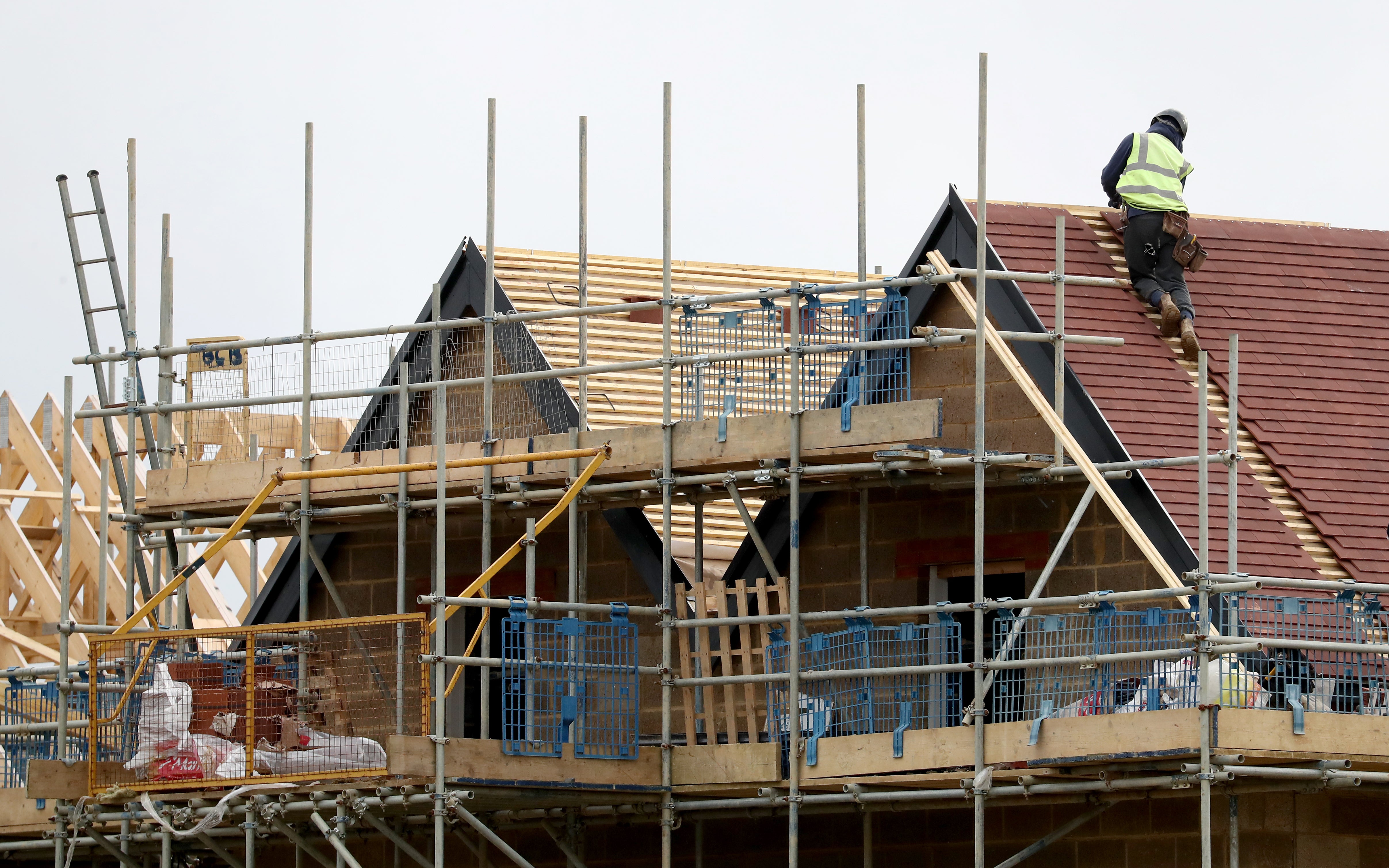
England saw 208,600 new homes built in 2024/25, a 6 per cent fall from the previous year and the lowest annual total since 2015/16, highlighting the scale of the challenge facing Labour.
Since Labour entered government in July 2024, around 392,400 net additional homes have been delivered, leaving ministers running at roughly two-thirds of the rate required to hit their goal by 2029.
The housebuilding industry has warned that without stronger consumer confidence, lower mortgage costs and healthier balance sheets across the construction sector, delivering the scale of housebuilding needed to meet Labour’s targets will remain an uphill battle.
Torrin Wilkins, director of Centre Think Tank, said the government should abolish stamp duty and impose binding housebuilding targets on councils to boost growth in the sector.
“The 1.5 million target comes up again and again. It’s almost turning into the tens of thousands immigration target in the Cameron era in that we never seem to be able to meet it and yet it’s constantly brought up,” he said, adding it was “unlikely” the government will meet its target if it does not change direction.
Mr Wilkins said the government should replace stamp duty with a proportional property tax to “unlock” housing sales and give developers incentive to build.
“Developers will look at who can afford homes in this local area and stamp duty is a real block,” he said.
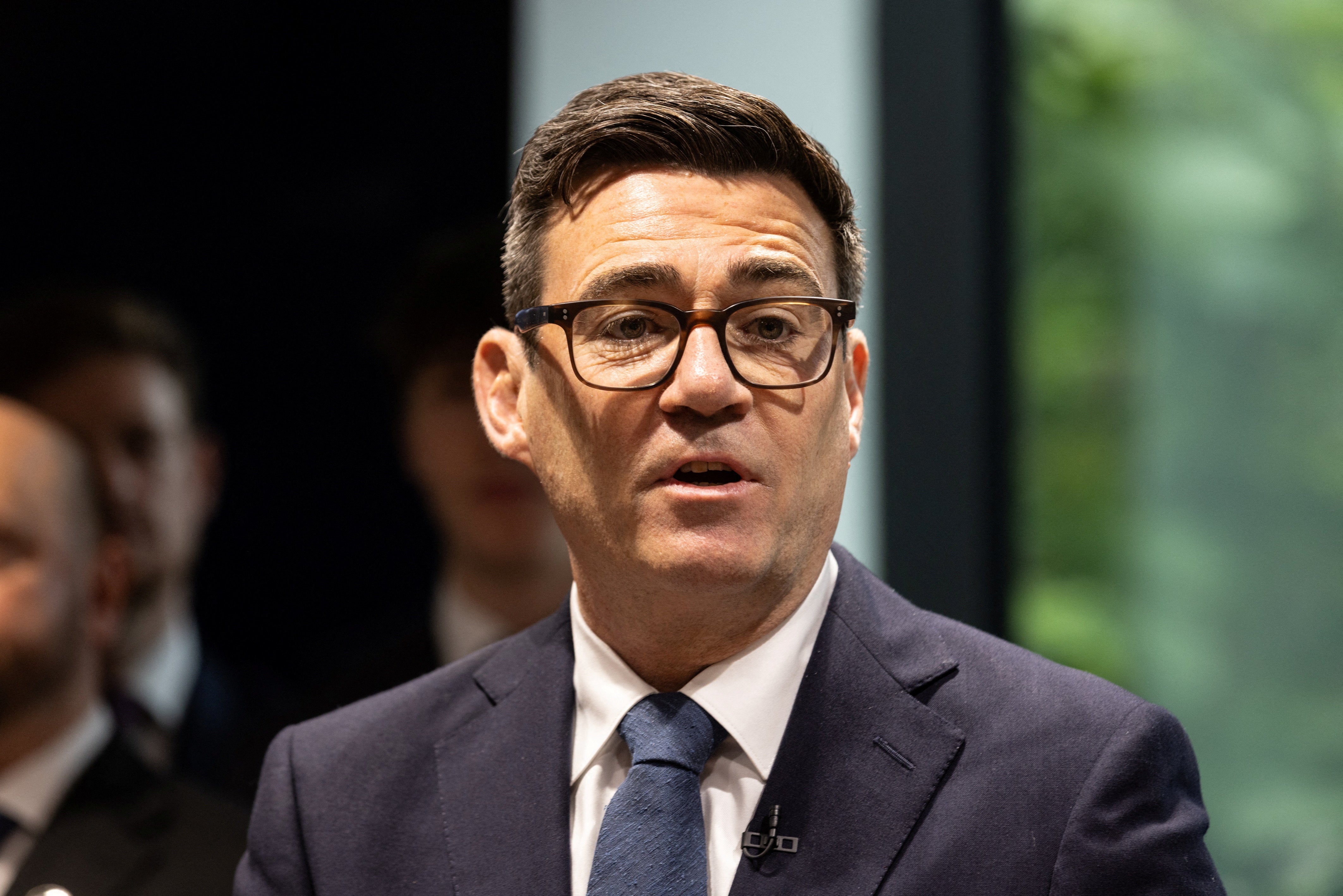
“If Andy Burnham’s aim is breathing space, then abolishing stamp duty is probably the number one on that list because it allows people to upsize and downsize more easily and create that extra space.”
He also recommended councils and local authorities are handed binding targets with consequences for not meeting them.
“I think it would be a good step forward as well, just to really push that this isn’t an optional housing target. This is a national situation and a national emergency that needs to be taken seriously.”
Senior research and policy analyst at the Resolution Foundation, Hannah Aldridge, said both soaring construction costs and a lower ability for many to buy houses have contributed to the challenges of housebuilding.
“A few things that have happened in the last few years is essentially construction costs have gone up,” she said.
“Then at the same time, we’ve also seen interest rates being slightly higher than what we were used to in the 2010s. So actually the amount that people are able to borrow to buy a house, it’s becoming harder for people to get the mortgages to buy a house that costs that much.”
About the Author