

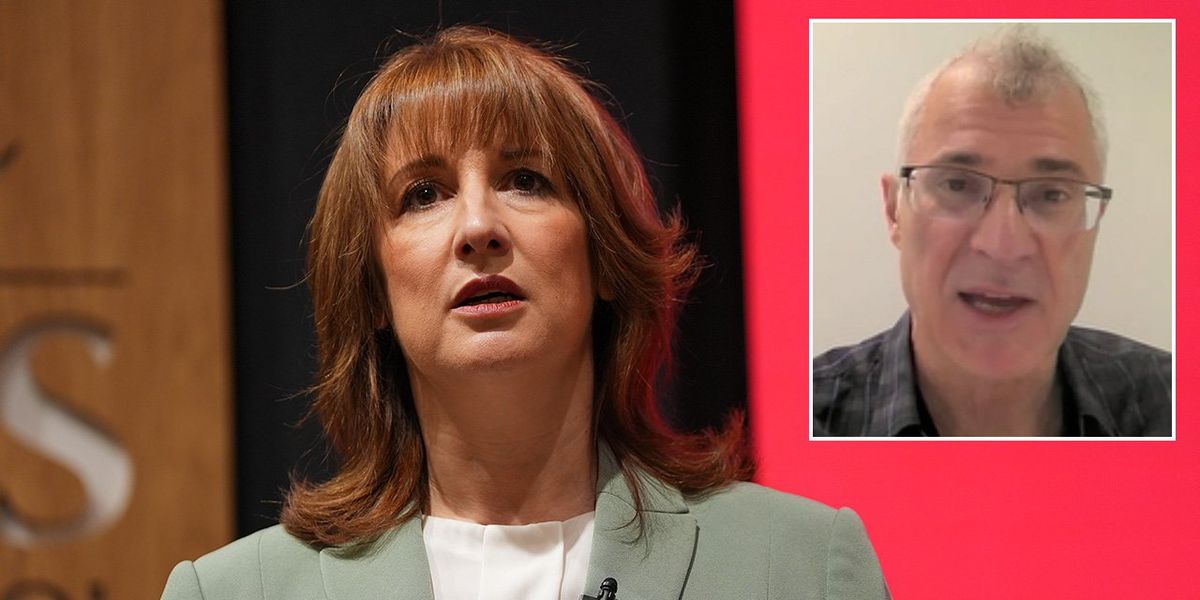
Economist Jonathan Portes has responded to the Bank of England’s decision to maintain interest rates at three per cent, describing the move as “very much expected”.
However, speaking to GB News, he cautioned that the full consequences of what he termed “Trump’s war” in the Middle East have yet to materialise in economic data.
“That will come through over the months to come,” Mr Portes warned.
The economist expressed frustration that just as policymakers believed they had brought inflation under control, with recent figures showing positive trends, external factors would push prices upward once more.
“Inflation is going to go up again,” he stated.
Mr Portes acknowledged the inherent unpredictability of the situation, admitting that no one can forecast how long the American president will continue pursuing what the economist described as “his fantasies in the Middle East.”
Should the conflict reach a swift conclusion, the economist suggested the economic fallout for Britain would remain relatively contained.
“But of course, we have no idea what he’s going to do,” he said.
Jonathan Portes has warned Rachel Reeves that Britons will face ‘serious damage’ the longer the Iran war goes on
|
GB NEWS / PA
The economist warned that if the situation persists for several months, the consequences could prove severe, with a substantial increase in inflation creating “very serious negative consequences for UK households.”
Mr Portes outlined the complex fiscal dynamics at play, noting that the Treasury would receive additional revenue as rising prices boost certain tax receipts.
“On the other hand, the Treasury is also clearly going to have to find money to support households facing particularly lower income households facing higher fuel bills,” he explained.
The economist delivered a stark assessment of Britain’s fundamental vulnerability to global energy markets.
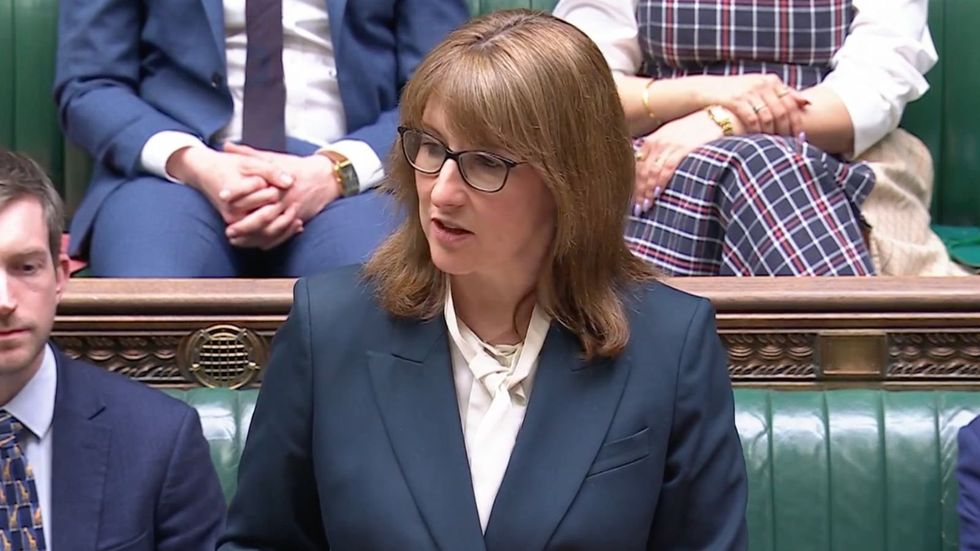 The Chancellor gave an energy bill support update yesterday in the House of Commons | PARLIAMENT TV
“Unfortunately, the bottom line is that if oil and gas become more expensive, and a significant proportion of our energy needs are imported.
“That means the country as a whole is poorer, and there’s just nothing we can do about that,” Mr Portes said.
He explained that ministers possess only limited tools to address the economic squeeze facing the nation.
Mr Portes told GB News: “What the Government can do is sort of redistribute the pain.
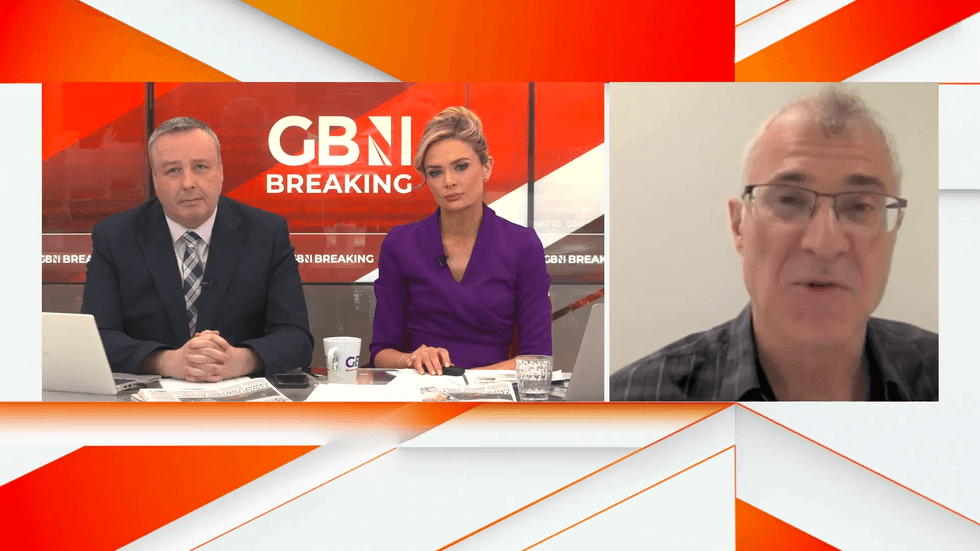
Mr Portes warned that the Middle East conflict could continue for ‘months’ more
|
GB NEWS
“It can decide how much of the pain falls on drivers, how much of it falls on households paying energy bills, how much of it falls on people like you and me who have jobs and pay income tax.”
He outlined how authorities could determine the burden borne by motorists at the pumps, families paying utility bills, and working people contributing through income tax.
The economist offered a sobering conclusion about the boundaries of Government intervention.
“Unfortunately, what the Government can’t do is stop the fact that overall, on average, we’re going to be poorer,” Mr Portes concluded.
