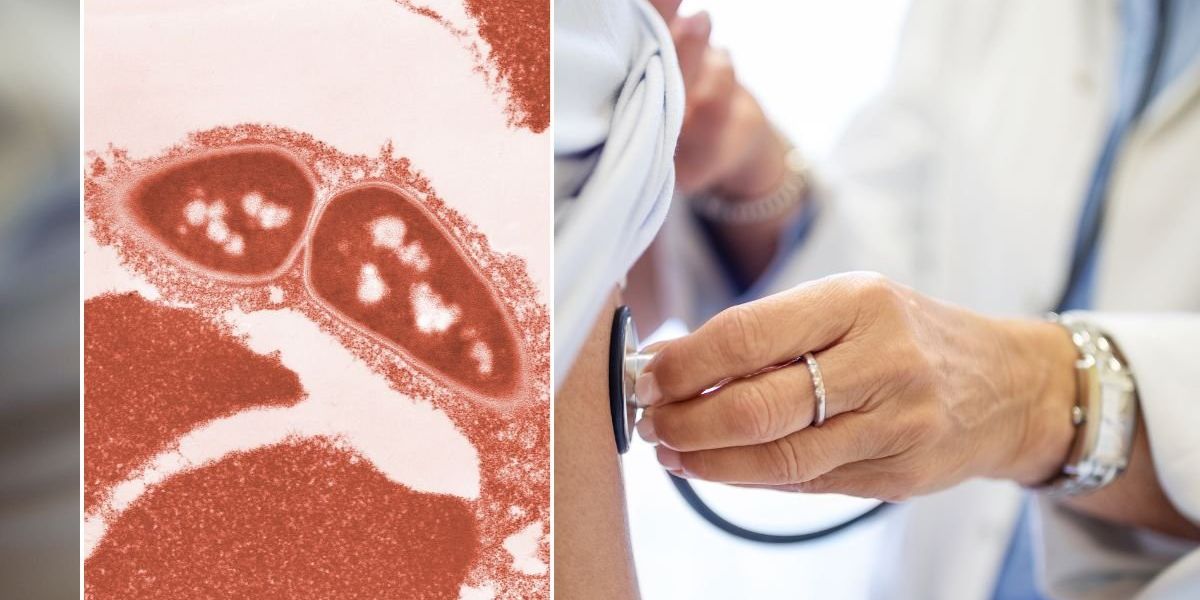
The NHS has unveiled a new strategy aimed at cutting sepsis fatalities by a quarter over the next decade, deploying innovative wearable technology to monitor vulnerable patients in their own homes.
Under the new plan, individuals at greatest risk of developing the life-threatening condition will receive devices such as smartwatches and bracelets capable of tracking their vital signs remotely.
These sensors continuously monitor heart rate and other key indicators, automatically alerting medical professionals when concerning symptoms emerge.
The initiative represents a significant shift towards preventative care, recognising that swift intervention dramatically improves survival rates.
The NHS hopes to cut sepsis fatalities by a quarter over the next decade
|
GETTY
NHS data reveals that delayed treatment increases mortality risk by up to eight per cent for every hour that passes without appropriate care.
The programme will prioritise several vulnerable groups known to face elevated sepsis risks.
Cancer patients and others with compromised immune systems stand among the primary beneficiaries, alongside elderly individuals and those using catheters.
People living with serious mental health conditions will also be offered the monitoring technology, given their heightened susceptibility to the condition.
The scale of the challenge facing the health service is considerable, with annual sepsis deaths exceeding 4,000.
The UK Sepsis Trust reports that approximately 48,000 death certificates each year reference sepsis as a contributing factor, even when not recorded as the principal cause.
During 2024-25, NHS hospitals recorded more than 118,000 emergency admissions linked to the condition, underscoring the urgent need for improved early detection measures.
The technology operates by continuously tracking blood pressure, heart rate and other vital measurements, enabling clinical staff to identify deteriorating health and arrange prompt sepsis testing.
University College London Hospitals has already pioneered this approach with cancer patients undergoing CAR T-cell therapy, who wear chest-mounted devices measuring heart rate, respiratory rate and temperature.
When these sensors detect warning signs, medical teams receive immediate alerts and can swiftly administer antibiotics if necessary.
Prof Ramani Moonesinghe, NHS England’s deputy medical director, said: “Key to tackling sepsis is catching it early – the longer sepsis goes undetected the less chance a person has to survive or make a full recovery.”
Health Minister Preet Gill described sepsis as “a devastating and sometimes fatal condition,” adding: “We have heard too many heartbreaking examples where signs of deterioration were not recognised quickly enough.”
The initiative builds upon Martha’s Rule, a landmark patient safety measure introduced following the tragic death of Martha Mills, a 13-year-old who succumbed to sepsis at King’s College Hospital in London in 2021.
Her parents, Merope Mills and Paul Laity, launched their campaign after hospital staff disregarded their concerns about their daughter’s worsening condition.
A coroner subsequently determined that Martha would likely have survived had she been transferred to intensive care sooner.

Early intervention is crucial for surviving sepsis
|
GETTY
Since its introduction, the Martha’s Rule helpline has received 12,301 calls through to February 2026, with more than a fifth resulting in changes to patient care.
Dr Ron Daniels, founder of the UK Sepsis Trust, said the new NHS blueprint “marks significant progress for patient safety and takes an essential step towards saving more lives from sepsis.”
About the Author