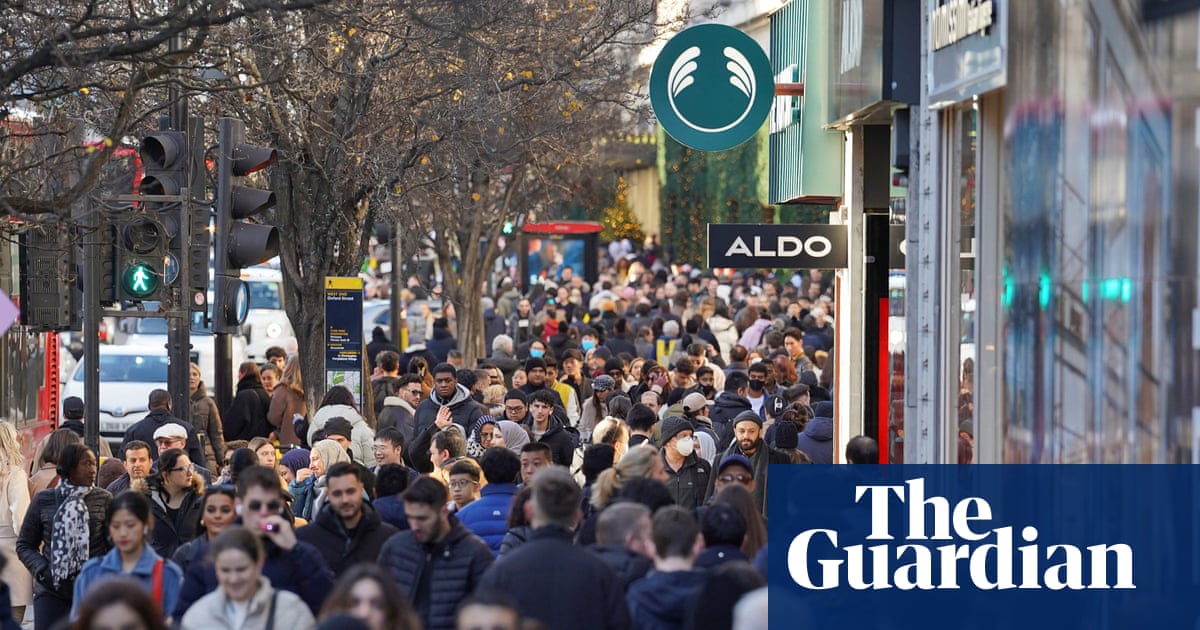
Many Britons feel inequality is worsening and that discrimination has become more common, according to a thinktank study.
The report by British Future has found that people across ethnic groups believe racial equality is worsening in Britain. One in six people are from ethnic minority backgrounds.
“Most ethnic minorities in Britain feel there was a positive change against racism in our lifetimes yet now fear that progress being reversed,” said the thinktank’s director, Sunder Katwala.
The research found nearly half of ethnic minority respondents had faced racial or nationality prejudice over the past year, with the problem notably higher among those aged 18 to 24. Prejudice was most often reported in public spaces, followed by on social media and in the workplace.
The research found that 62% of ethnic minority Britons saw racial inequality as a serious problem, a view supported by 57% of the white population. White respondents were less likely to see structural barriers in education, work and public services and more likely to believe minority communities received equal or preferential treatment.
The report, part of a three-year study funded by the Nuffield Foundation, found a growing polarisation over perceptions that minorities received preferential treatment. Among white respondents, 37% felt ethnic minorities were treated better than white British people, while 33% disagreed. Among ethnic minorities, 23% agreed and 48% disagreed.
The report found divisions by age and politics were deeper than those relating to ethnicity. “In both the white and ethnic minority surveys, gaps between rich and poor are seen as the most important divide impacting the UK,” the report said.
The research was driven by two online surveys of 2,009 white adults and 3,014 ethnic minority adults between 30 March and 29 April. It was supplemented by information from 12 focus groups.
The study noted a difference within ethnic minority attitudes, finding Black respondents were frequently more positive about the UK making progress on racial equality. By contrast, Bangladeshi and Pakistani heritage respondents were found to be more pessimistic, with heightened anxiety seemingly linked to the 2024 riots.
“Women, particularly ethnic minority women, are also more pessimistic than men throughout,” the report said.
The study found that ethnic minority Britons would like to see more effort to promote equal pay and tackle disparities in essential services and unequal treatment in media reporting. This was brought into “sharp focus”, the report said, by the intense media scrutiny on Jason Arday, a Cambridge University professor who died at his London home after allegations of plagiarism.
after newsletter promotion
The report, which criticised successive governments for having “rarely held” a sustained focus on race, laid out 10 recommendations for the government, including challenging zero-sum thinking, supporting grassroots activities and pushing the watchdog Ofcom on compliance against online racism.
Overall, it found low trust among political parties. While the Green party and Labour led narrowly in terms of treating people of different backgrounds fairly (+15 and +13 in net trust scores respectively), Reform UK had a net score of -31 (16% trust/47% distrust).
Katwala said leaders should “counter the sense of a zero-sum contest over race equality: that fairness for ethnic minorities comes at the expense of the white majority, or vice versa”.
He added: “The antidote to that is to pursue a broad and proactive fairness agenda – with the confidence and tools to tackle racism and discrimination where it is most needed.”
About the Author